


Home
Digitizing pet hotel booking journey
0-to-1 Product • B2C • Mobile App • Product Design
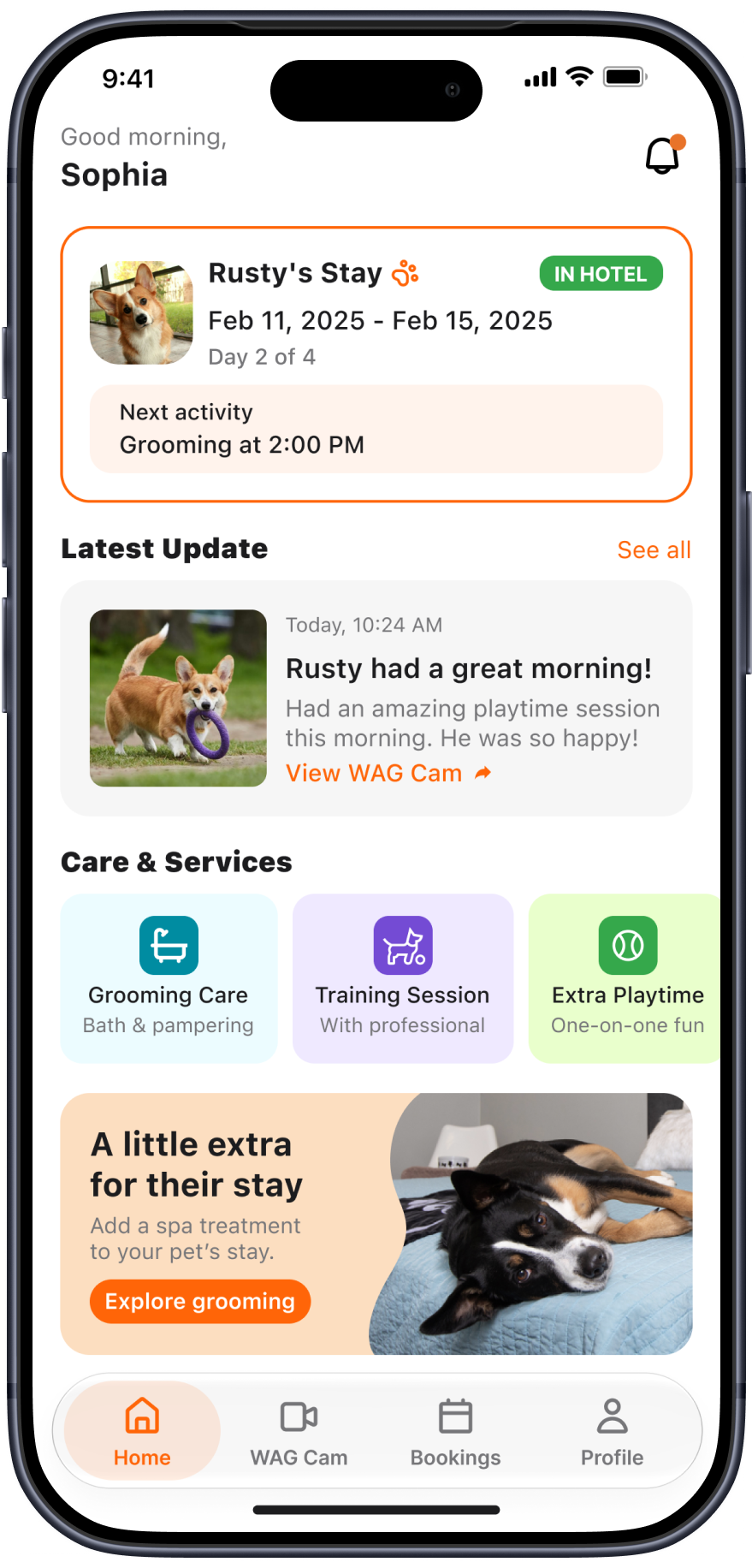
A mobile-first pet hotel experience that makes booking, managing stays, and caring for pets feel simple and seamless.
I designed the booking experience from scratch, from early exploration through final UI and delivery. I translated business requirements into user flows, information architecture, and interaction patterns, validated design directions, and worked with stakeholders and developers to turn a phone-based process into a self-service experience.
Details
iOS & Android
platform
UI/UX Designer
role
Product Manager, Business Analyst, Developers, QA
team members
User Flows · Information Architecture · Interaction Design · UI · Prototyping · Validation
scope
5 months
timeline
Product Impact
results after launch
+27%
More
bookings
Within the first month of launch
−32%
Fewer
drop-offs
After launching digital booking
+46%
Returning
customers
Following the simplified experience
BUSINESS GOAL
The app had to become the hotel’s front door
Digitize the pet hotel booking process and create a new customer acquisition channel that could increase the number of completed reservations.
BUSINESS PROBLEM
Every booking depended on talking to the hotel
•
Phone-based bookings created friction for customers
•
The business had limited opportunities to convert customers through a digital self-service journey
•
Customers had to ask about available accommodation and services before they could book
•
Owners had no digital access to reservations, activities, photos, or updates during their pet’s stay
PRODUCT CONSTRAINTS
One product for two very different users, built from scratch
•
0-to-1 product: the mobile app was built from scratch
•
Owners and hotel staff had different needs and workflows
•
The journey had to cover more than booking: pet profiles, reservations, activities, communication, and photos
•
Owners needed to manage more than one pet
THE PRODUCT
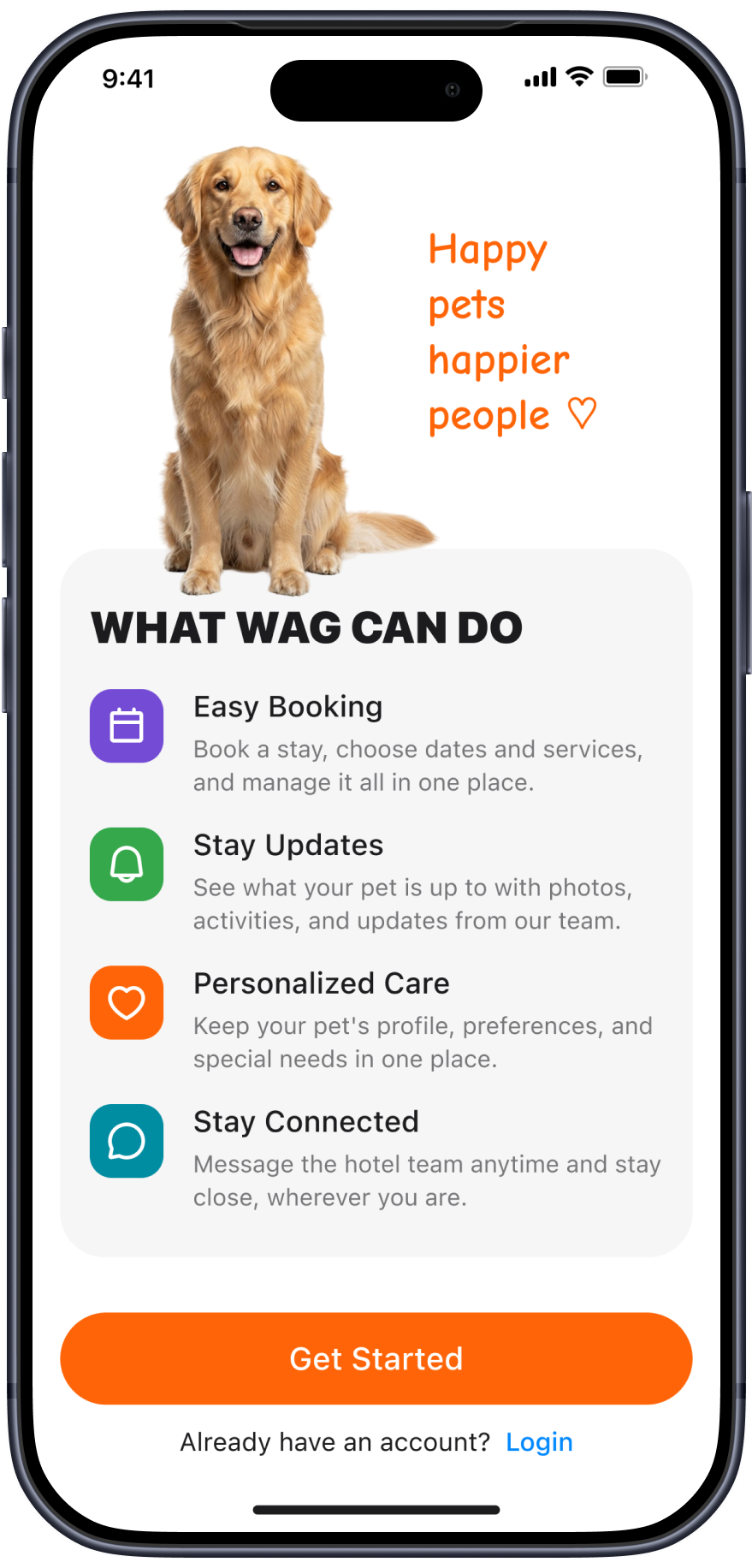
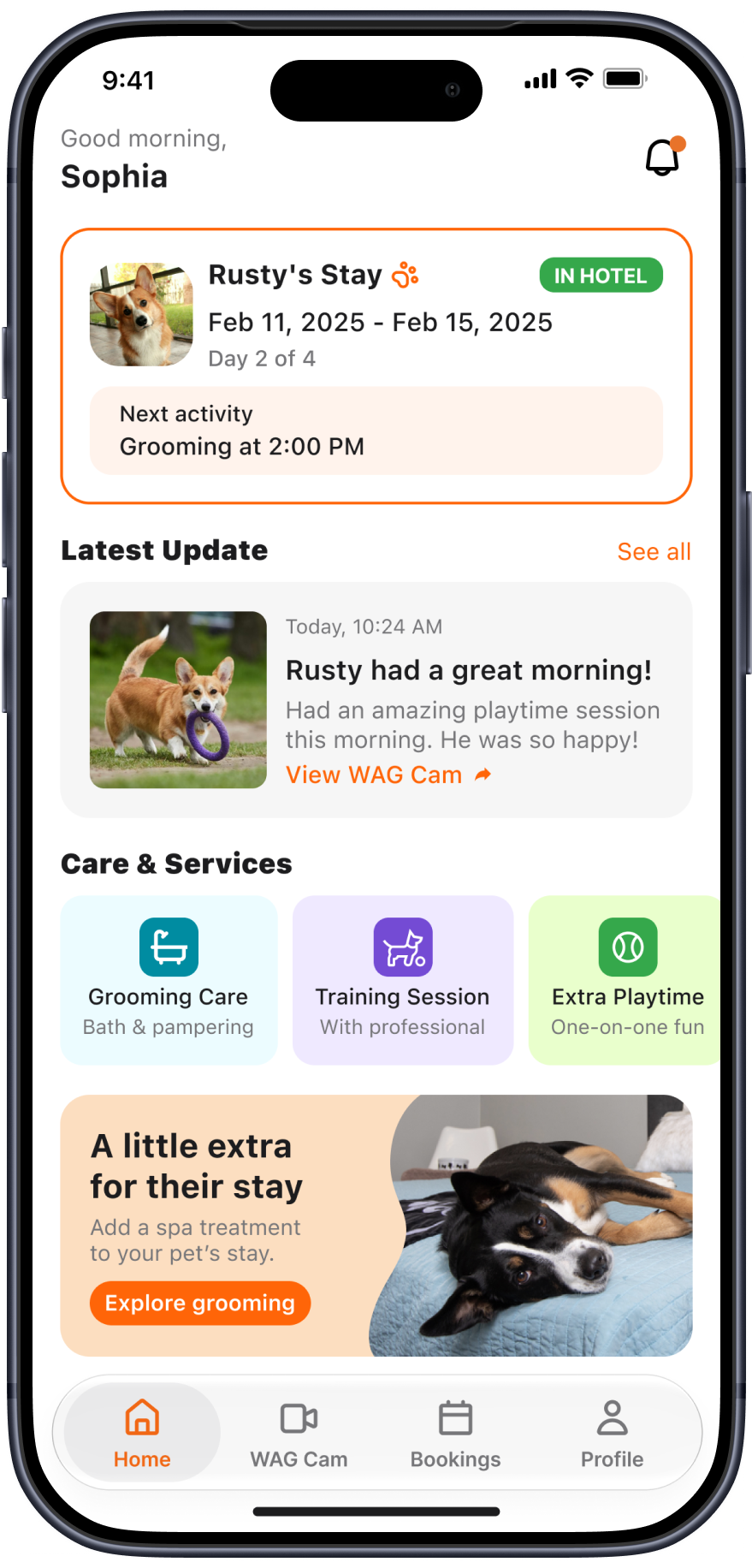
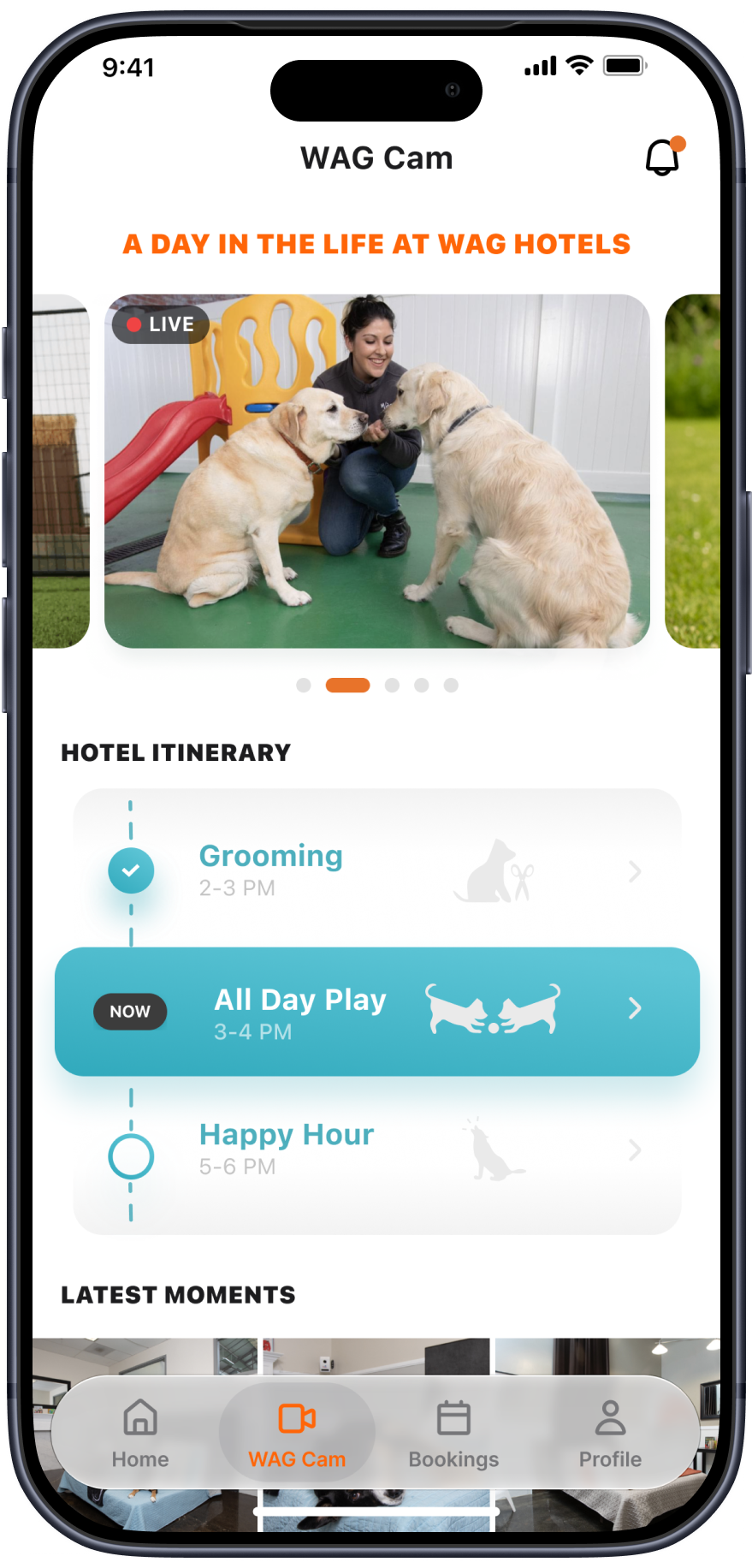
COMPETITIVE ANALYSIS · PET CARE APPS
Everyone offered booking. The difference was what owners saw during the stay
I looked at pet care chains and a sitter marketplace to see how their apps support owners before and during a stay. Booking was standard, so the difference came down to how connected owners felt while their pet was away.
Booking in a few taps
Dogtopia: Booking, webcams, and the dog’s day are one tap away from Home.
K9 Resorts: Request a reservation, upload vaccinations, and manage the account in one app.
→ WAG: One guided flow for pet, dates, and services, with saved pet profiles.
Updates during the stay
Dogtopia: Digital report cards about the dog’s day or overnight stay.
Rover: Sitters share photo and video updates and chat with owners in the app.
→ WAG: A Latest Update feed on Home with activities, photos, and notes from staff.
Live view of the pet
Dogtopia: Live webcams in the app during business hours.
K9 Resorts: Live facility webcams alongside report cards.
→ WAG: WAG Cam, so owners can check in on their pet anytime.
SWOT ANALYSIS
The edge was a direct relationship with one hotel
Established pet care brands and marketplaces already offered booking. WAG’s value was in connecting owners directly with their hotel throughout the stay.
Strengths
• Direct relationship with the hotel
• Two-sided product for owners and staff
Weaknesses
• Built for one hotel, not a provider network
• Updates depend on staff engagement
Opportunities
• Become a pet-care companion beyond booking
• Drive repeat bookings with saved pet profiles
Threats
• Marketplaces offer more choice and reviews
• Low switching barriers for owners
So what for design: I focused the product on the stay itself, not just the booking: live status, activities, photos, and tools for staff to keep owners updated.
DESIGN 1/3 · BOOKING
Booking Self-service, from overview to confirmation
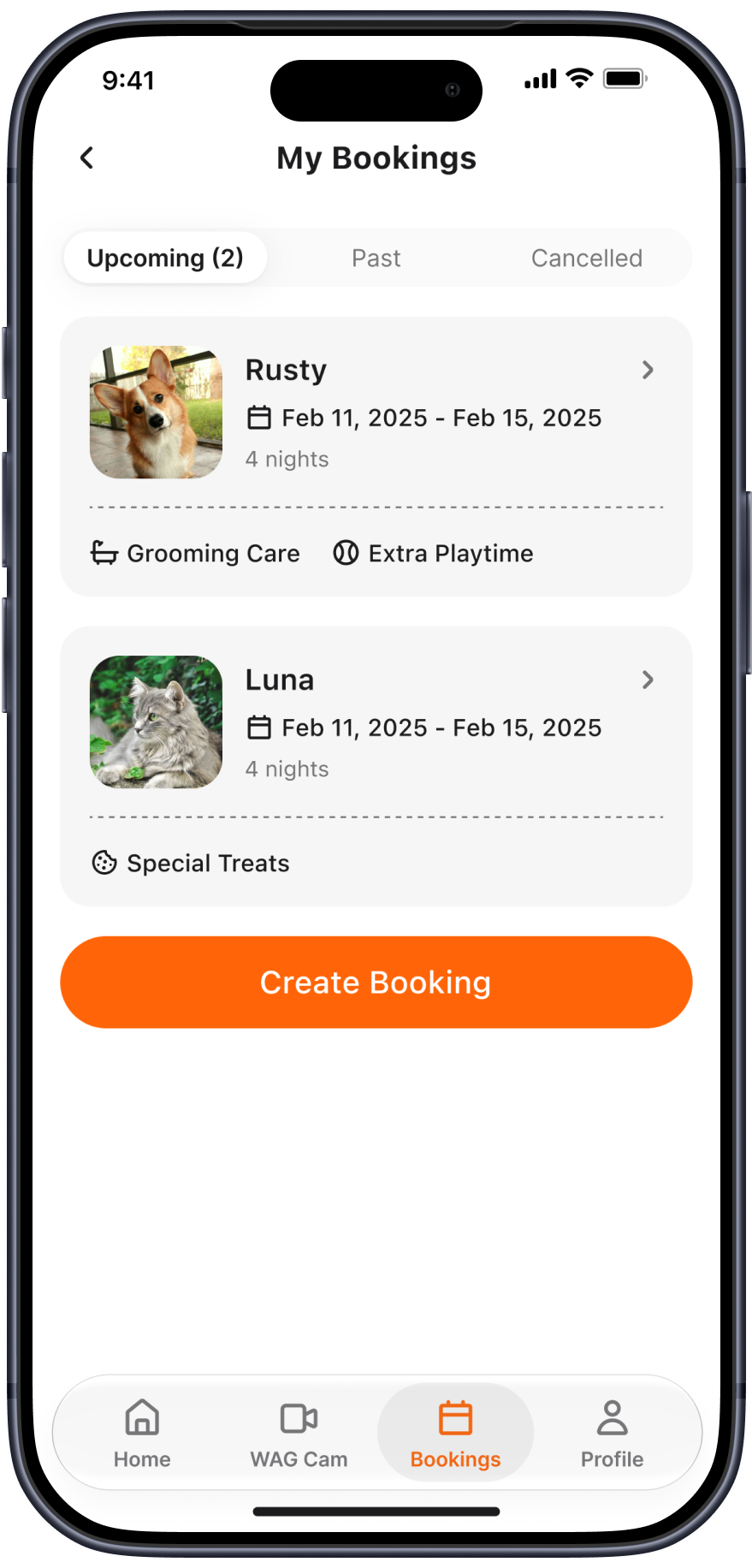
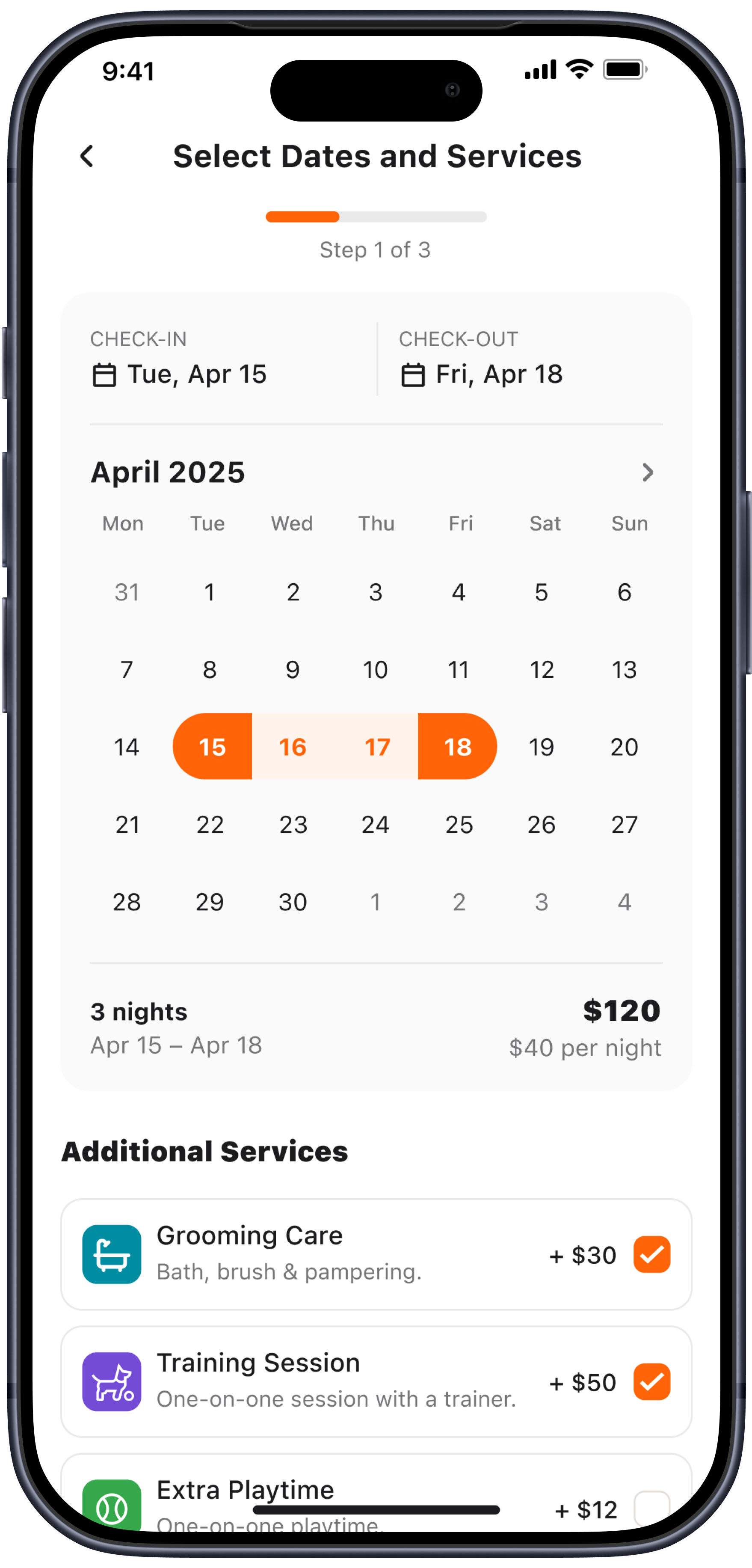
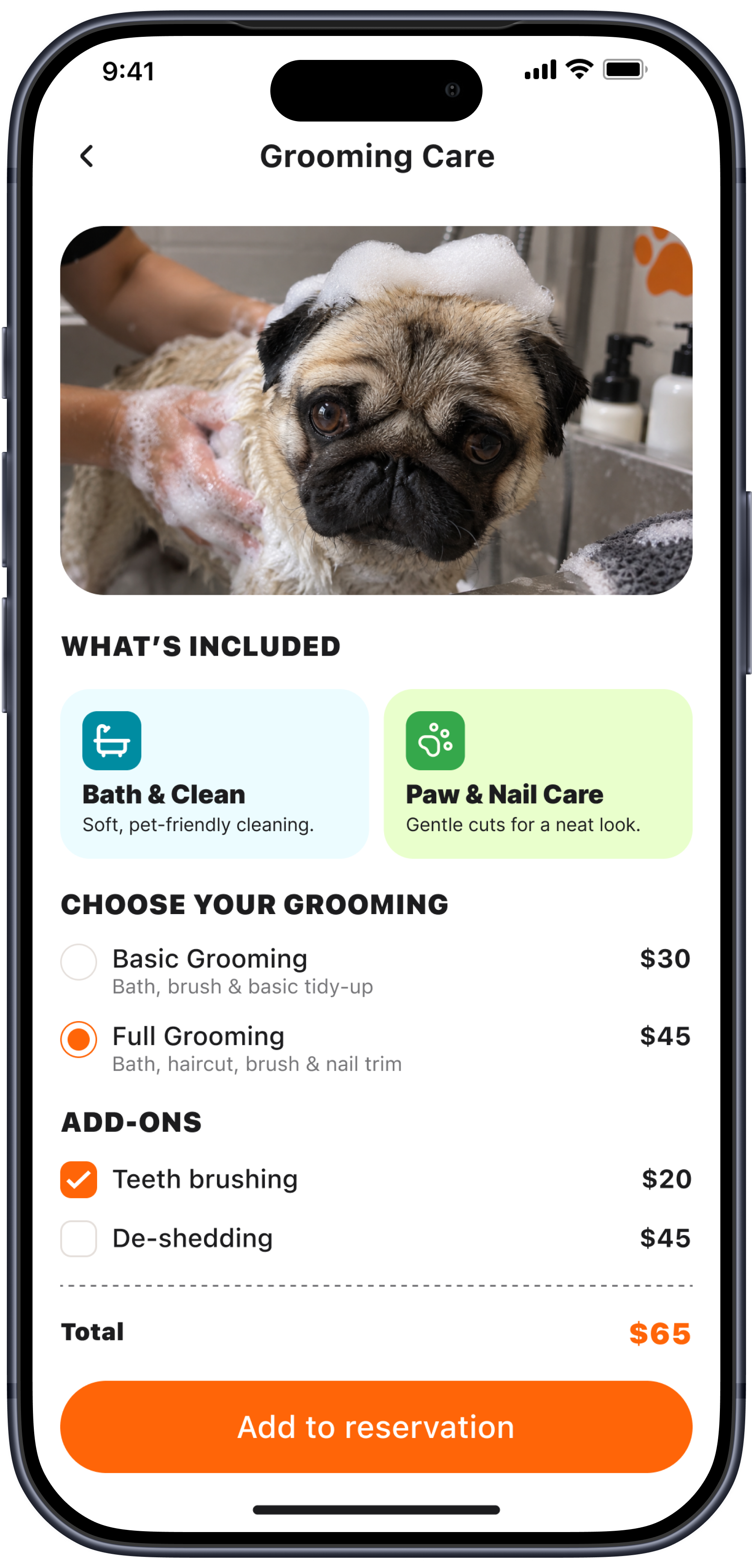
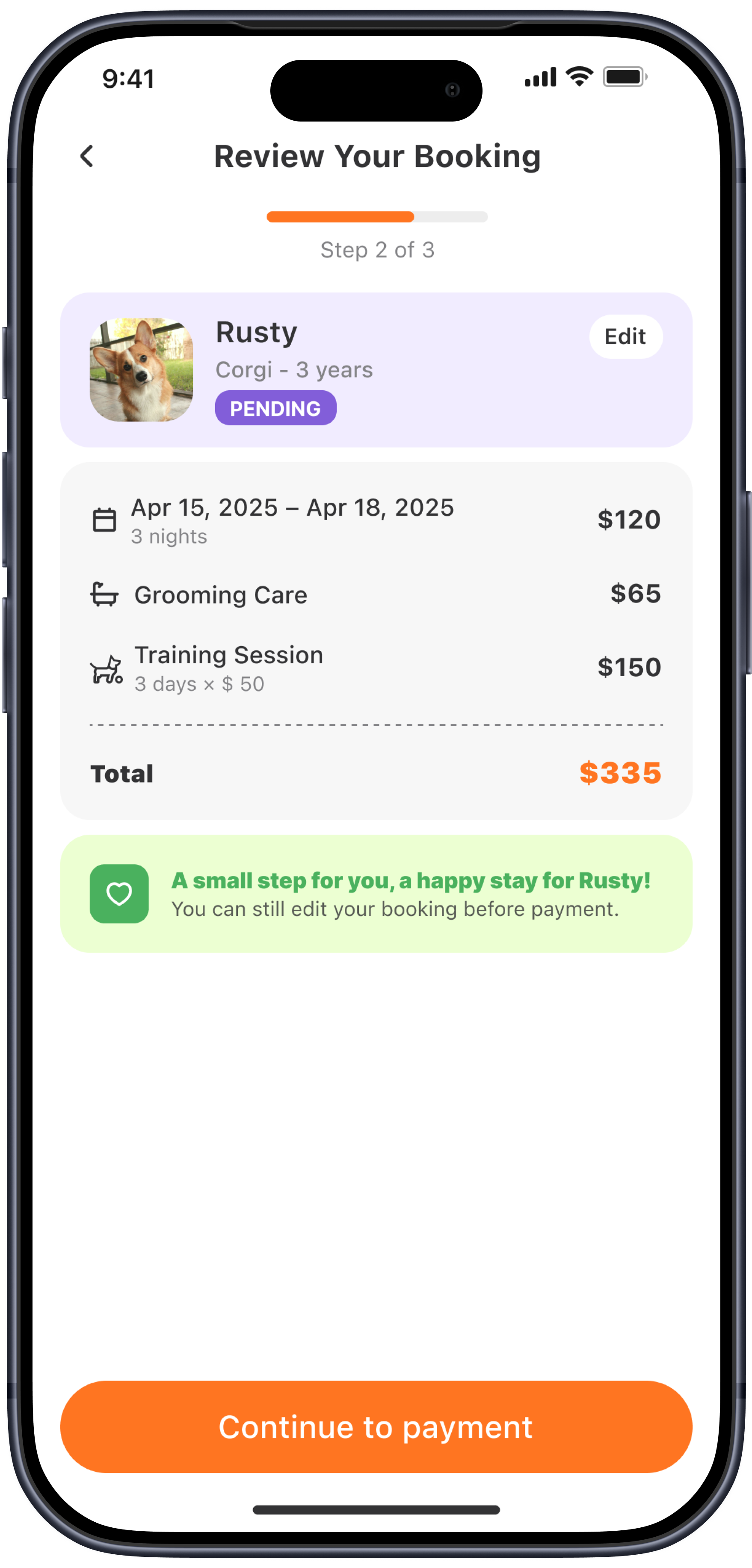
The Bookings section gives owners a clear overview of their upcoming and past stays, where they can review bookings or start a new reservation. The booking flow then guides them through selecting their pet, stay details, dates, and additional services before confirming.
HYPOTHESIS
If we move booking from phone communication to a self-service mobile flow, customers will be able to complete reservations more easily and with less friction.
DESIGN 2/3 · PETS & ACCOUNT
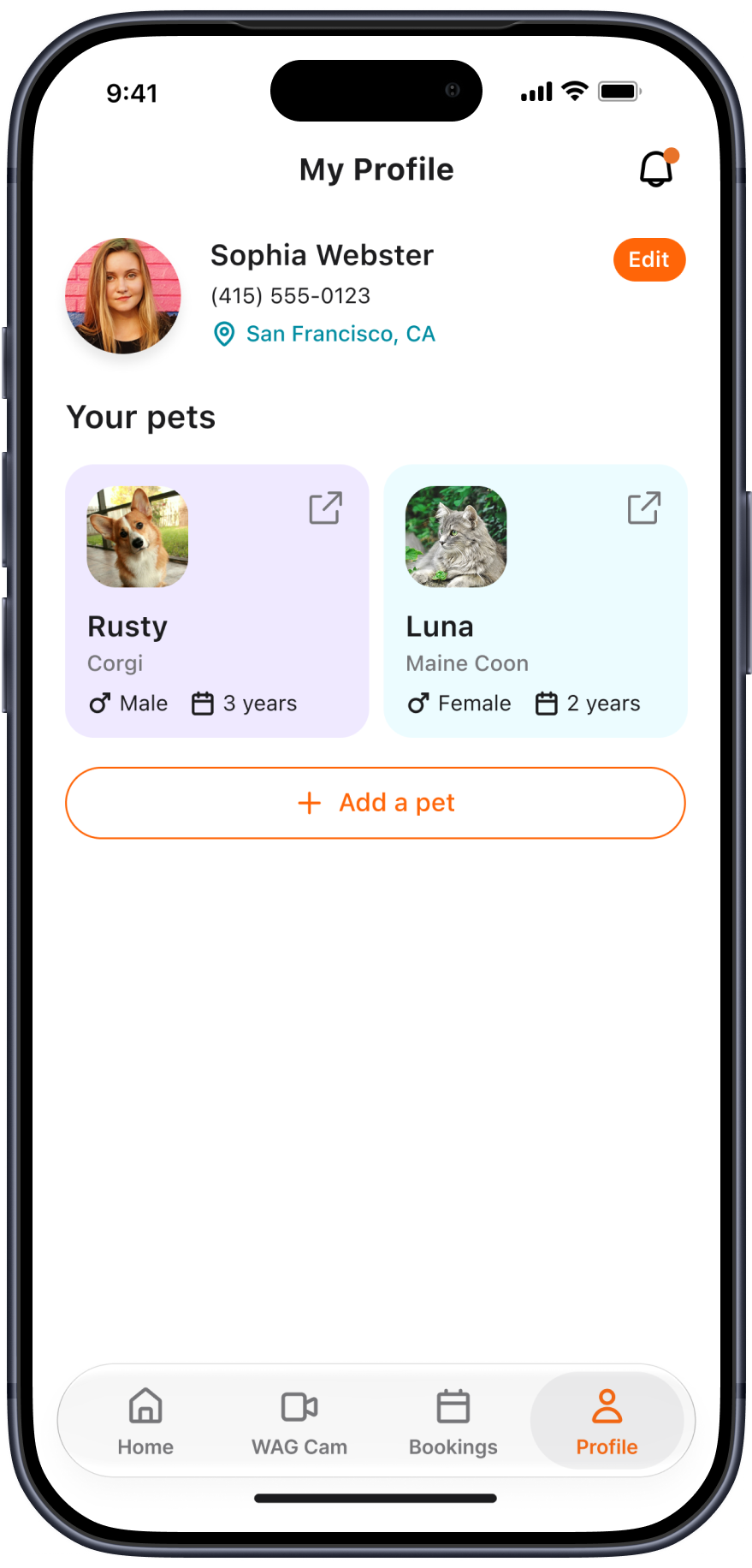
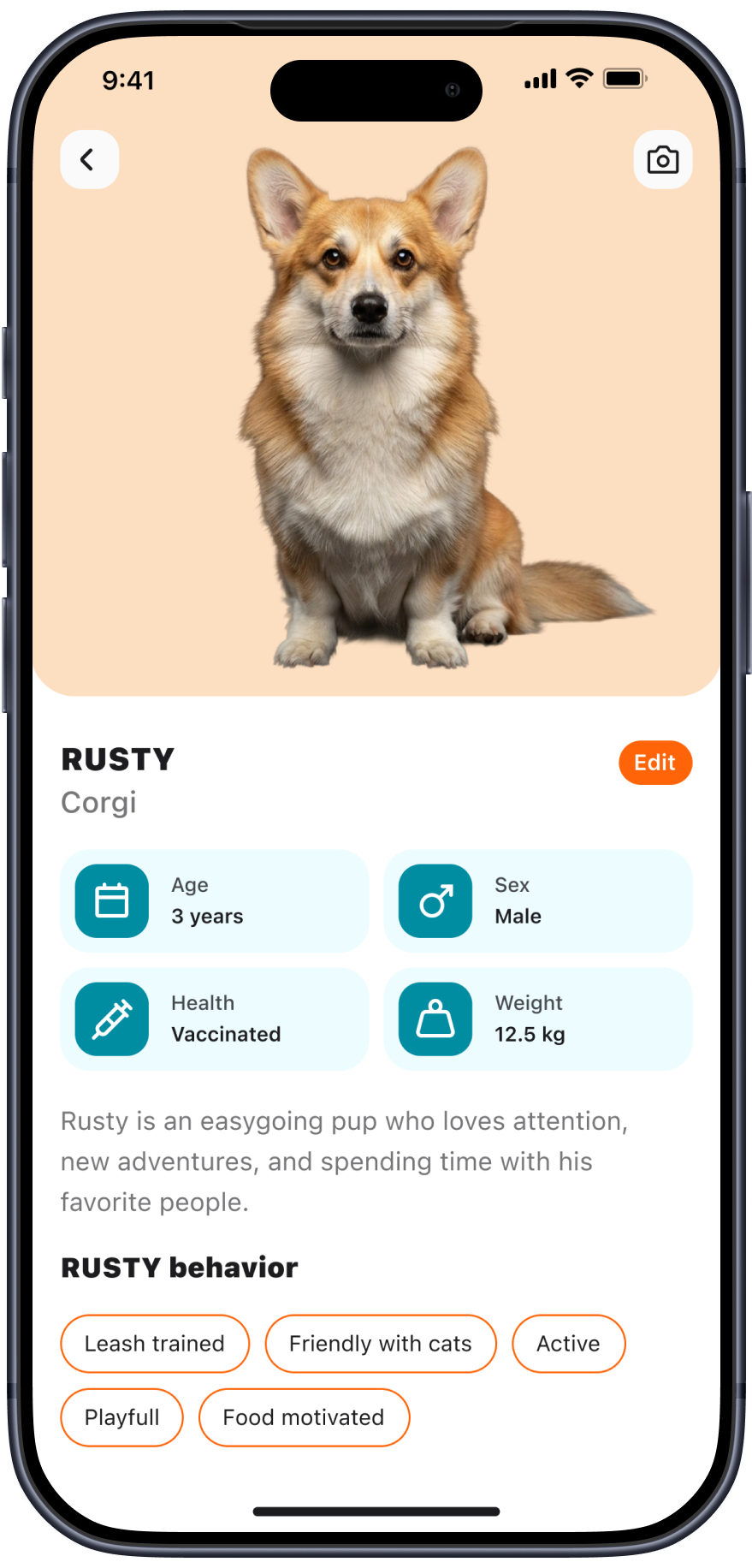
Pets and Account Built for owners with more than one pet
The account area gives owners a central place to manage their personal information and keep their pets organized. Owners can add new pets, review their details, and update their own profile when needed.
HYPOTHESIS
If owners can stay connected with their pets through activities, photos, and updates, the product can create more value throughout the stay, not just at the moment of booking.
DESIGN 3/3 · OWNERS & STAFF
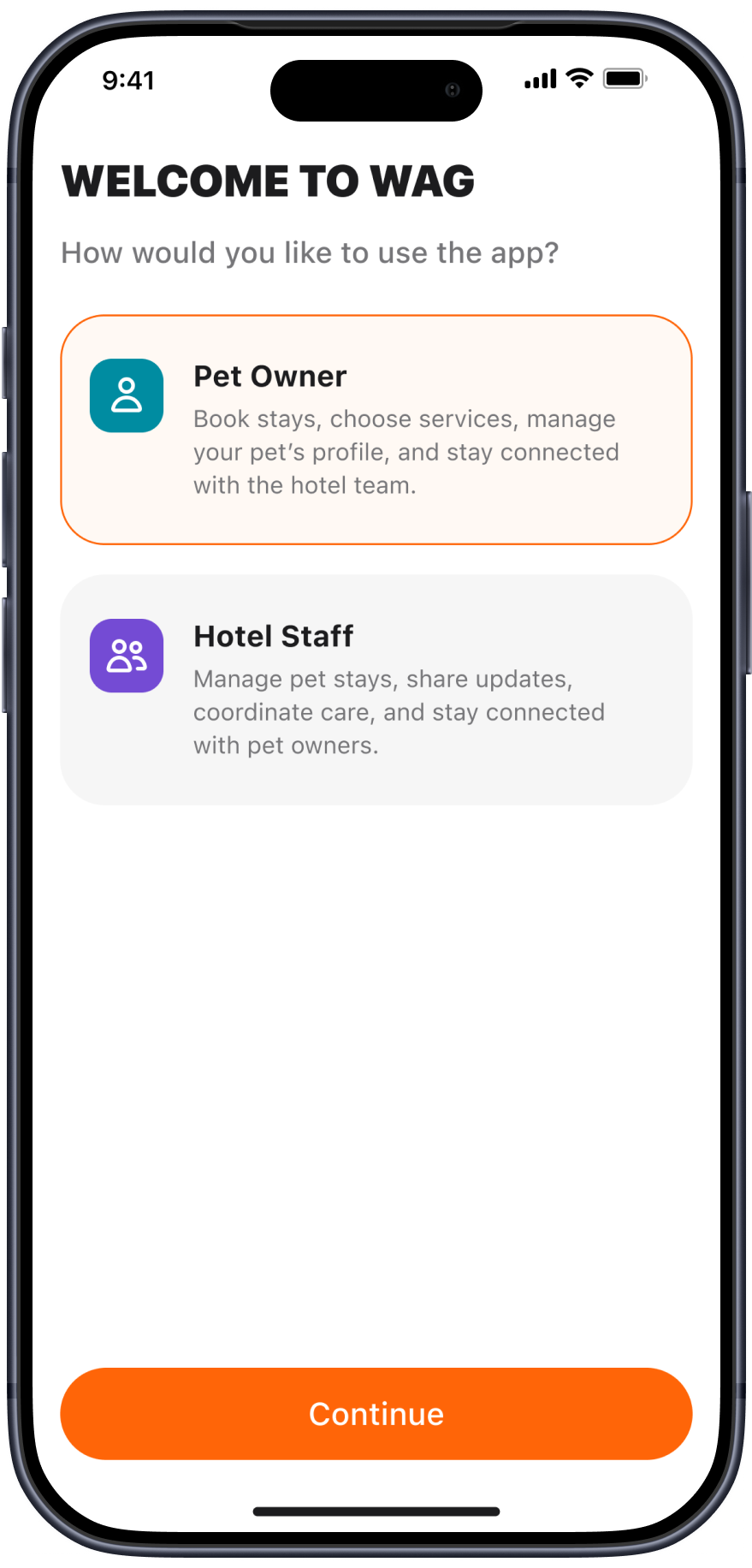
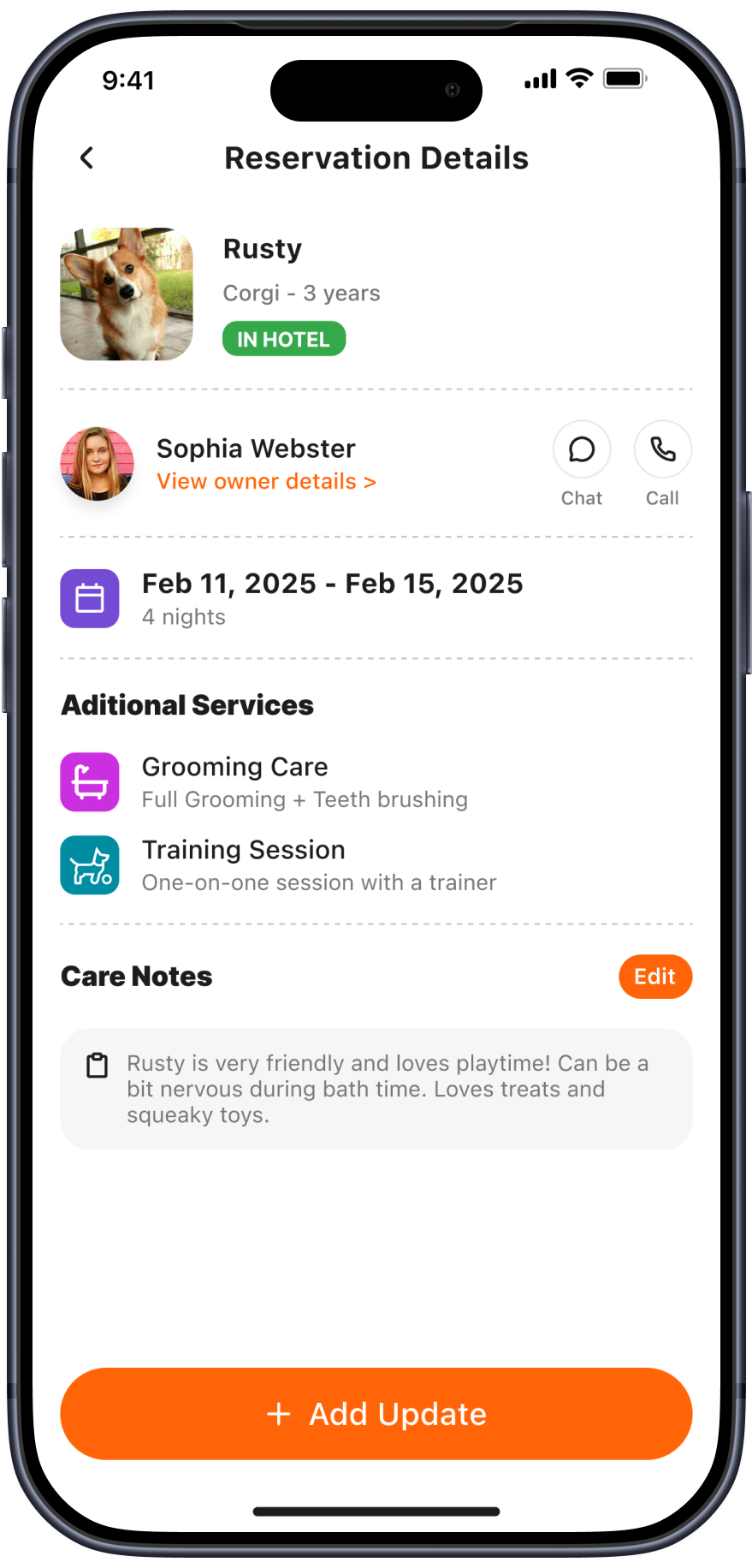
Owners and Staff One stay, two sides of the experience
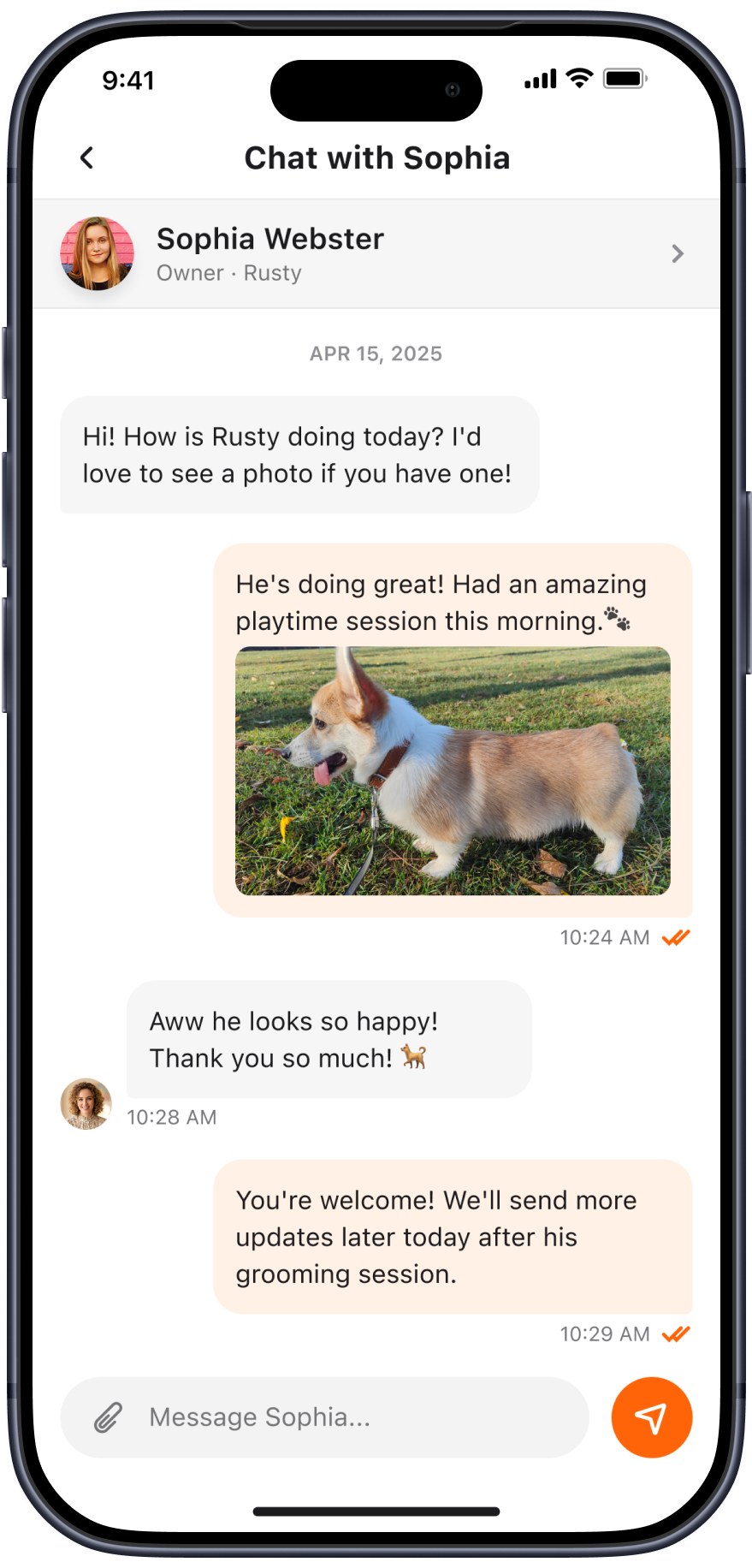
Owners need visibility into their pet’s experience, while staff need a simple way to manage reservations, record updates, and share information with customers. The staff-side experience connects these workflows, helping the hotel team keep owners informed while managing the stay.
HYPOTHESIS
If owners and hotel staff can communicate through the same connected experience, it will be easier to share updates and support the pet’s stay.
KEY INSIGHTS
Booking gets owners in, the stay brings them back
•
A two-sided product only works if both sides benefit: owner updates depend on how easy it is for staff to create them
•
Self-service booking has to give the same clarity a phone call did, with availability and services visible before owners commit
•
Starting from scratch meant mapping the whole owner journey first, so booking, pet profiles, and updates felt like one product





Home
Digitizing pet hotel booking journey
0-to-1 Product • B2C • Mobile App • Product Design
A mobile-first pet hotel experience that makes booking, managing stays, and caring for pets feel simple and seamless.
I designed the booking experience from scratch, from early exploration through final UI and delivery. I translated business requirements into user flows, information architecture, and interaction patterns, validated design directions, and worked with stakeholders and developers to turn a phone-based process into a self-service experience.
Details
iOS & Android
platform
UI/UX Designer
role
Product Manager, Business Analyst, Developers, QA
team members
User Flows · Information Architecture · Interaction Design · UI · Prototyping · Validation
scope
5 months
timeline
Product Impact
results after launch
+27%
More
bookings
Within the first month of launch
−32%
Fewer
drop-offs
After launching digital booking
+46%
Returning
customers
Following the simplified experience
BUSINESS GOAL
The app had to become the hotel’s front door
Digitize the pet hotel booking process and create a new customer acquisition channel that could increase the number of completed reservations.
BUSINESS PROBLEM
Every booking depended on talking to the hotel
•
Phone-based bookings created friction for customers
•
The business had limited opportunities to convert customers through a digital self-service journey
•
Customers had to ask about available accommodation and services before they could book
•
Owners had no digital access to reservations, activities, photos, or updates during their pet’s stay
THE PRODUCT
COMPETITIVE ANALYSIS · PET CARE APPS
Everyone offered booking. The difference was what owners saw during the stay
I looked at pet care chains and a sitter marketplace to see how their apps support owners before and during a stay. Booking was standard, so the difference came down to how connected owners felt while their pet was away.
Booking in a few taps
Dogtopia: Booking, webcams, and the dog’s day are one tap away from Home.
K9 Resorts: Request a reservation, upload vaccinations, and manage the account in one app.
→ WAG: One guided flow for pet, dates, and services, with saved pet profiles.
Updates during the stay
Dogtopia: Digital report cards about the dog’s day or overnight stay.
Rover: Sitters share photo and video updates and chat with owners in the app.
→ WAG: A Latest Update feed on Home with activities, photos, and notes from staff.
Live view of the pet
Dogtopia: Live webcams in the app during business hours.
K9 Resorts: Live facility webcams alongside report cards.
→ WAG: WAG Cam, so owners can check in on their pet anytime.
SWOT ANALYSIS
The edge was a direct relationship with one hotel
Established pet care brands and marketplaces already offered booking. WAG’s value was in connecting owners directly with their hotel throughout the stay.
Strengths
• Direct relationship with the hotel
• Two-sided product for owners and staff
Weaknesses
• Built for one hotel, not a provider network
• Updates depend on staff engagement
Opportunities
• Become a pet-care companion beyond booking
• Drive repeat bookings with saved pet profiles
Threats
• Marketplaces offer more choice and reviews
• Low switching barriers for owners
So what for design: I focused the product on the stay itself, not just the booking: live status, activities, photos, and tools for staff to keep owners updated.
DESIGN 1/3 · BOOKING
Booking Self-service, from overview to confirmation
The Bookings section gives owners a clear overview of their upcoming and past stays, where they can review bookings or start a new reservation. The booking flow then guides them through selecting their pet, stay details, dates, and additional services before confirming.
HYPOTHESIS
If we move booking from phone communication to a self-service mobile flow, customers will be able to complete reservations more easily and with less friction.
DESIGN 2/3 · PETS & ACCOUNT
Pets and Account Built for owners with more than one pet
The account area gives owners a central place to manage their personal information and keep their pets organized. Owners can add new pets, review their details, and update their own profile when needed.
HYPOTHESIS
If owners can stay connected with their pets through activities, photos, and updates, the product can create more value throughout the stay, not just at the moment of booking.
DESIGN 3/3 · OWNERS & STAFF
Owners and Staff One stay, two sides of the experience
Owners need visibility into their pet’s experience, while staff need a simple way to manage reservations, record updates, and share information with customers. The staff-side experience connects these workflows, helping the hotel team keep owners informed while managing the stay.
HYPOTHESIS
If owners and hotel staff can communicate through the same connected experience, it will be easier to share updates and support the pet’s stay.
KEY INSIGHTS
Booking gets owners in, the stay brings them back
•
A two-sided product only works if both sides benefit: owner updates depend on how easy it is for staff to create them
•
Self-service booking has to give the same clarity a phone call did, with availability and services visible before owners commit
•
Starting from scratch meant mapping the whole owner journey first, so booking, pet profiles, and updates felt like one product

Home
Digitizing pet hotel booking journey
0-to-1 Product • B2C • Mobile App • Product Design
A mobile-first pet hotel experience that makes booking, managing stays, and caring for pets feel simple and seamless.
I designed the booking experience from scratch, from early exploration through final UI and delivery. I translated business requirements into user flows, information architecture, and interaction patterns, validated design directions, and worked with stakeholders and developers to turn a phone-based process into a self-service experience.
Details
iOS & Android
platform
UI/UX Designer
role
Product Manager, Business Analyst, Developers, QA
team members
User Flows · Information Architecture · Interaction Design · UI · Prototyping · Validation
scope
5 months
timeline
Product Impact
results after launch
+27%
More
bookings
Within the first month of launch
−32%
Fewer
drop-offs
After launching digital booking
+46%
Returning
customers
Following the simplified experience
BUSINESS GOAL
The app had to become the hotel’s front door
Digitize the pet hotel booking process and create a new customer acquisition channel that could increase the number of completed reservations.
BUSINESS PROBLEM
Every booking depended on talking to the hotel
•
Phone-based bookings created friction for customers
•
The business had limited opportunities to convert customers through a digital self-service journey
•
Customers had to ask about available accommodation and services before they could book
•
Owners had no digital access to reservations, activities, photos, or updates during their pet’s stay
PRODUCT CONSTRAINTS
One product for two very different users, built from scratch
•
0-to-1 product: the mobile app was built from scratch
•
Owners and hotel staff had different needs and workflows
•
The journey had to cover more than booking: pet profiles, reservations, activities, communication, and photos
•
Owners needed to manage more than one pet
THE PRODUCT
COMPETITIVE ANALYSIS · PET CARE APPS
Everyone offered booking. The difference was what owners saw during the stay
I looked at pet care chains and a sitter marketplace to see how their apps support owners before and during a stay. Booking was standard, so the difference came down to how connected owners felt while their pet was away.
Booking in a few taps
Dogtopia: Booking, webcams, and the dog’s day are one tap away from Home.
K9 Resorts: Request a reservation, upload vaccinations, and manage the account in one app.
→ WAG: One guided flow for pet, dates, and services, with saved pet profiles.
Updates during the stay
Dogtopia: Digital report cards about the dog’s day or overnight stay.
Rover: Sitters share photo and video updates and chat with owners in the app.
→ WAG: A Latest Update feed on Home with activities, photos, and notes from staff.
Live view of the pet
Dogtopia: Live webcams in the app during business hours.
K9 Resorts: Live facility webcams alongside report cards.
→ WAG: WAG Cam, so owners can check in on their pet anytime.
SWOT ANALYSIS
The edge was a direct relationship with one hotel
Established pet care brands and marketplaces already offered booking. WAG’s value was in connecting owners directly with their hotel throughout the stay.
Strengths
• Direct relationship with the hotel
• Two-sided product for owners and staff
Weaknesses
• Built for one hotel, not a provider network
• Updates depend on staff engagement
Opportunities
• Become a pet-care companion beyond booking
• Drive repeat bookings with saved pet profiles
Threats
• Marketplaces offer more choice and reviews
• Low switching barriers for owners
So what for design: I focused the product on the stay itself, not just the booking: live status, activities, photos, and tools for staff to keep owners updated.
DESIGN 1/3 · BOOKING
Booking Self-service, from overview to confirmation
The Bookings section gives owners a clear overview of their upcoming and past stays, where they can review bookings or start a new reservation. The booking flow then guides them through selecting their pet, stay details, dates, and additional services before confirming.
HYPOTHESIS
If we move booking from phone communication to a self-service mobile flow, customers will be able to complete reservations more easily and with less friction.
DESIGN 2/3 · PETS & ACCOUNT
Pets and Account Built for owners with more than one pet
The account area gives owners a central place to manage their personal information and keep their pets organized. Owners can add new pets, review their details, and update their own profile when needed.
HYPOTHESIS
If owners can stay connected with their pets through activities, photos, and updates, the product can create more value throughout the stay, not just at the moment of booking.
DESIGN 3/3 · OWNERS & STAFF
Owners and Staff One stay, two sides of the experience
Owners need visibility into their pet’s experience, while staff need a simple way to manage reservations, record updates, and share information with customers. The staff-side experience connects these workflows, helping the hotel team keep owners informed while managing the stay.
HYPOTHESIS
If owners and hotel staff can communicate through the same connected experience, it will be easier to share updates and support the pet’s stay.
KEY INSIGHTS
Booking gets owners in, the stay brings them back
•
A two-sided product only works if both sides benefit: owner updates depend on how easy it is for staff to create them
•
Self-service booking has to give the same clarity a phone call did, with availability and services visible before owners commit
•
Starting from scratch meant mapping the whole owner journey first, so booking, pet profiles, and updates felt like one product

